AFB™ 6311 Double Coated Tape
Add Zip code to check availability
Select Quantity
Features
Marketplace Benefits
 Year-long Helpdesk
 Verified Sellers
 Easy Payment
Warranty & Return Policy
 Warranty Policy
 Return Policy
Long Description
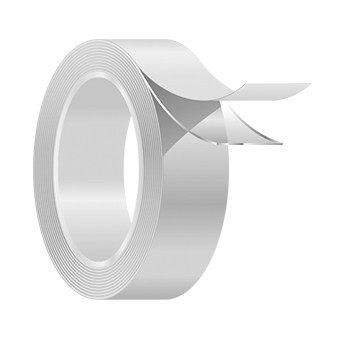
Avery Dennison AFB 6311G is a high-performance, double-coated acrylic foam tape designed for versatile bonding applications. This grey foam tape is engineered with a viscoelastic acrylic foam carrier, offering superior adhesion and shear strength, making it ideal for use on a wide range of substrates, including high and medium surface energy materials like PC/ABS. This product’s reliable performance in demanding environments makes it a preferred choice for industrial applications.
Key Features & Benefits:
Viscoelastic Acrylic Foam Carrier: The tape's unique foam structure offers excellent shock absorption and stress distribution, ensuring a strong and lasting bond. Its closed-cell structure enhances durability by preventing moisture penetration.
Acrylic Adhesive System: Both sides of the foam tape are coated with a high-performance acrylic adhesive that provides strong initial tack and excellent long-term adhesion. This allows the tape to perform well on various surfaces, including metals, plastics, and composites.
Easy Release Polyethylene Liner: The tape comes with a red PE liner that is easy to peel off, promoting smooth handling and convenient application. The liner also offers moisture resistance and high tear strength, further enhancing the tape's reliability.
Excellent Resistance: The tape resists UV light, moisture, and elevated temperatures (up to 302°F / 150°C intermittently), making it suitable for both interior and exterior applications. This resistance to environmental factors ensures the tape remains effective in harsh conditions.
Stress and Shear Resistance: The foam structure provides stress relaxation, allowing the tape to absorb shocks and distribute stress evenly across the bonded surfaces, preventing failure over time. This makes it ideal for use in dynamic environments.
Uniform Bonding Performance: The tape delivers consistent performance, ensuring a secure bond that lasts, even when exposed to high-stress conditions.
Eliminates Need for Mechanical Fasteners: AFB 6311G can often replace mechanical fasteners, drilling, and grinding, streamlining the manufacturing process and eliminating the need for additional clean-up.
Construction:
Liner: Red PE liner printed with the Avery Dennison logo.
Adhesive: High-performance acrylic adhesive on both sides.
Carrier: Grey acrylic foam core designed for superior bonding strength and durability.
Applications:
Avery Dennison AFB 6311G is suitable for a wide range of industrial and commercial applications, including:
Signage and Nameplates: Ideal for bonding signage and nameplates to various substrates, providing a clean, durable, and seamless attachment.
Home Appliances: Used for attaching frames and components in home appliance manufacturing.
Displays: Perfect for mounting displays and graphics where a secure, long-lasting bond is required.
General Industrial Bonding: Can be used for a variety of other bonding needs, from automotive to construction applications.
Adhesive Properties:
Thickness:
Adhesive + Carrier: 1.10 mm (43.3 mil)
Liner: 0.16 mm (6.3 mil)
Total Tape Thickness: 1.26 mm (49.6 mil)
Peel Adhesion (PSTC-101, ASTM D-3330, STD-10):
Stainless Steel: 8.6 Lbf/in (20 min), 12.6 Lbf/in (24 hr) (38 N/25mm, 55 N/25mm)
Dynamic Shear (ASTM D-1002):
Stainless Steel: 72.5 Lbf/in² (500 kPa)
Normal Tensile (ASTM D-897):
Stainless Steel: 65.3 Lbf/in² (450 kPa)
Static Shear (PSTC-107, ASTM D 3654, STD-9):
Stainless Steel: >10,000 minutes
Temperature Resistance:
Minimum Application Temperature: 10°C (50°F)
Maximum Continuous Operating Temperature: 100°C (212°F)
Maximum Intermittent Operating Temperature: 150°C (302°F)
Storage and Shelf Life:
For optimal performance, store the tape in its original packaging at a temperature between 18-22°C (64-72°F) with a relative humidity of 30-70%. The shelf life is one year under these conditions.
Application Techniques:
Surface Preparation: It is essential to clean, dry, and degrease the bonding surfaces to achieve the best bond strength.
Adhesive-to-Surface Contact: The bond strength is directly related to the amount of adhesive-to-surface contact. Proper pressure, application time, and temperature will ensure the best performance.
Performance Variance: Bonding performance may vary depending on the surface type (rigid or flexible), application pressure, and environmental conditions.